A home should be a place of comfort, safety, and peace of mind. Unfortunately, common household pests can quickly disrupt that sense of security. From insects hiding in kitchen cabinets to rodents nesting in attics, pest infestations are more than a minor inconvenience—they can cause property damage, contaminate food, and pose health risks to your family. Understanding the most common household pests and how to effectively eliminate them is essential for maintaining a clean, healthy, and pest-free living environment.
Pest problems rarely appear overnight. In most cases, infestations develop gradually due to favorable conditions such as accessible food sources, moisture buildup, or small entry points around the home. By recognizing early warning signs and applying targeted Rodent Retreat pest control strategies, homeowners can stop minor issues from becoming large-scale infestations. Effective pest elimination combines proper identification, strategic removal methods, and long-term prevention measures designed to reduce future risks.
One of the most common household pests is the ant. Ant infestations often begin when a few scouts discover food inside the home and leave a pheromone trail for the rest of the colony. Kitchens and pantries are particularly vulnerable because even small crumbs or spills can attract large numbers of ants. While store-bought sprays may eliminate visible ants, they rarely address the colony itself. Effective ant control requires locating and eliminating the source. This may involve sealing cracks around windows and doors, cleaning food preparation areas thoroughly, and using bait systems that allow workers to carry treatment back to the nest. Long-term elimination depends on disrupting the colony’s lifecycle rather than simply killing surface-level activity.
Cockroaches are another persistent household pest that can be difficult to eradicate without a structured approach. These insects thrive in warm, dark, and humid environments, often hiding behind appliances, inside cabinets, or near plumbing fixtures. Beyond being unpleasant, cockroaches are known to contaminate surfaces and trigger allergies. Successful cockroach elimination depends on removing food and water sources, sealing entry points, and applying targeted treatments in hidden areas. A comprehensive strategy typically includes deep cleaning, moisture control, and professional-grade baiting systems designed to impact the entire population rather than scattered individuals.
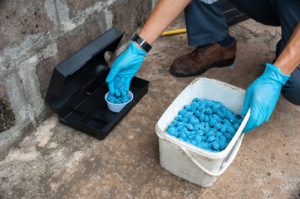
Rodents, including mice and rats, are among the most destructive household pests. They chew through insulation, wiring, and structural materials while contaminating stored food with droppings and urine. Because rodents reproduce rapidly, even a small presence can escalate quickly. Signs of infestation include scratching noises in walls, gnaw marks, droppings, and shredded nesting materials. Effective rodent removal begins with identifying and sealing entry points, which may be as small as a coin-sized gap. Trapping strategies should be carefully placed along walls and high-activity areas. Once removal is complete, sanitation and exclusion remain critical to prevent reinfestation. Long-term rodent control relies on eliminating access to food, water, and shelter.
Termites represent a more hidden but equally serious threat. Unlike other pests that are visibly active, termites often remain undetected while silently damaging wood structures from within. Over time, this can compromise the integrity of floors, walls, and foundations. Early warning signs may include hollow-sounding wood, mud tubes along walls, or discarded wings near windows. Because termite colonies are complex and deeply embedded, effective elimination usually requires specialized treatment methods that reach the source of infestation. Preventive measures such as reducing soil-to-wood contact, addressing moisture issues, and scheduling regular inspections significantly reduce the risk of structural damage.
Bed bugs have become increasingly common in residential environments. These small, nocturnal insects feed on human blood and hide in mattresses, furniture seams, and cracks in walls. Bed bug infestations often spread through travel or secondhand furniture. Unlike many other pests, bed bugs are not attracted to dirt or food but to warmth and carbon dioxide. Effective elimination involves a combination of thorough inspection, heat treatments or targeted applications, and careful laundering of bedding and fabrics. Because bed bugs are highly resilient, comprehensive treatment plans are necessary to ensure complete eradication.
Spiders are frequently found in homes, particularly in basements, attics, and storage areas. While most species are harmless, their presence can be unsettling. Spiders typically enter homes in search of prey, meaning that other insect activity may be attracting them. Effective spider control focuses on reducing insect populations, sealing entry points, and maintaining clean storage spaces. Removing webs and decluttering reduces hiding spots and discourages long-term settlement.
Flies are another common nuisance pest, particularly in warmer months. They are attracted to food waste, organic material, and garbage bins. Beyond being annoying, flies can carry bacteria from contaminated surfaces to food preparation areas. Eliminating fly infestations requires proper waste management, secure trash containers, and maintaining clean kitchen surfaces. Installing screens on windows and doors can prevent entry, while addressing moisture and drainage issues reduces breeding grounds outdoors.
To effectively eliminate household pests, homeowners should adopt a structured pest control strategy that addresses both immediate removal and long-term prevention. A comprehensive approach typically includes the following steps:
- Identify the pest species accurately to determine appropriate treatment methods.
- Remove attractants such as exposed food, standing water, and clutter.
- Seal cracks, gaps, and other structural entry points.
- Apply targeted treatments designed for the specific pest.
- Monitor for recurring activity and adjust strategies as needed.
These steps create a systematic defense that reduces the likelihood of repeated infestations. Simply reacting to visible pests without addressing underlying causes often results in temporary relief rather than permanent solutions.
Prevention remains the most effective form of pest control. Maintaining consistent cleaning habits significantly reduces food availability for insects and rodents. Regularly vacuuming floors, wiping down countertops, and storing food in airtight containers make the home less appealing to pests. Additionally, addressing plumbing leaks and controlling indoor humidity levels eliminates moisture sources that attract many insects.
Outdoor maintenance also plays a critical role in household pest elimination. Overgrown vegetation, woodpiles near foundations, and accumulated debris create shelter for rodents and insects. Keeping shrubs trimmed away from the home, maintaining proper drainage, and clearing gutters reduce opportunities for pests to enter. By strengthening the exterior barrier, homeowners minimize the chances of interior infestations.
In some cases, professional pest control services may be necessary, particularly for severe or persistent infestations. Professionals have access to advanced tools and treatment methods that are not always available to consumers. They can conduct thorough inspections, identify hidden infestations, and implement customized solutions tailored to the property’s unique vulnerabilities. While do-it-yourself methods can be effective for minor issues, large-scale infestations often require comprehensive intervention.
Long-term pest management is not a one-time effort but an ongoing process. Routine inspections help detect early signs of activity before problems escalate. Monitoring high-risk areas such as kitchens, basements, and attics allows homeowners to respond quickly. Seasonal adjustments to pest prevention strategies also improve effectiveness, as different pests become more active at certain times of the year.
Health considerations further underscore the importance of eliminating household pests. Many pests carry pathogens that can contaminate surfaces and trigger respiratory issues. Rodent droppings, cockroach allergens, and insect bites can affect indoor air quality and overall well-being. By implementing proactive pest control measures, homeowners protect not only their property but also the health of everyone inside.
Economic factors also highlight the value of effective pest elimination. Structural damage from termites or rodents can lead to costly repairs, while contaminated food and materials increase household expenses. Preventive pest control investments often cost significantly less than repairing extensive damage caused by unchecked infestations.
Ultimately, successful household pest elimination depends on awareness, consistency, and strategy. Recognizing the signs of common pests, implementing targeted removal techniques, and maintaining preventive habits create a balanced and sustainable approach. A pest-free home does not happen by chance; it is the result of deliberate action and ongoing maintenance.
By understanding the behavior of common household pests and addressing the environmental factors that attract them, homeowners can create a living space that is clean, secure, and resistant to infestation. Effective pest control is not about temporary fixes but about building long-term resilience. With the right knowledge and consistent effort, it is entirely possible to eliminate household pests and keep them from returning, ensuring comfort and peace of mind for years to come.